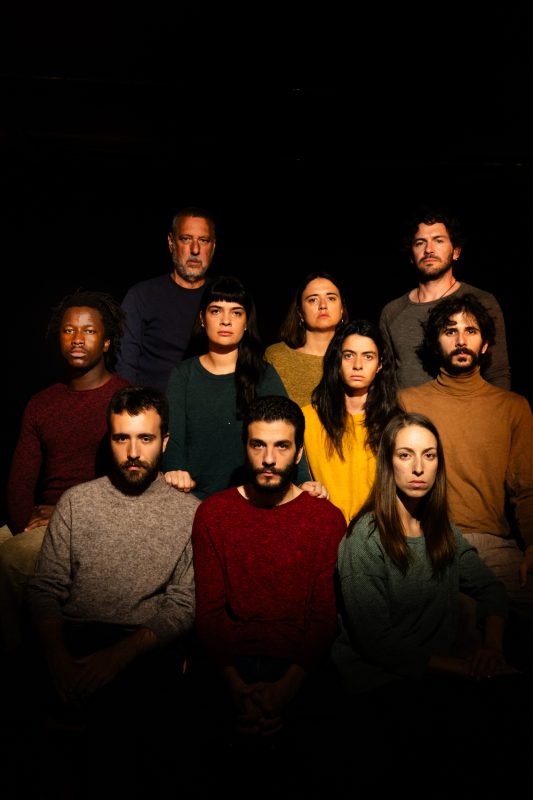
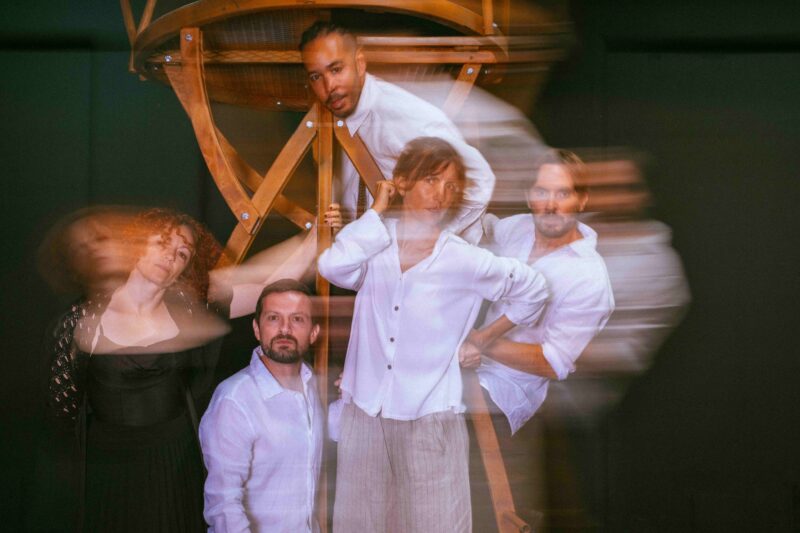
It is no exaggeration to say that O Pai (The Father, 1887) is one of August Strindberg’s most ferocious plays. A seismic shock in three acts, which continues to shake the walls of the bourgeois family’s living room to their very foundations. In a traditional household, the father, the Captain, and the mother, Laura, are in open conflict over the upbringing of their daughter, Berta. “It’s like being locked in a cage of tigers.” When the Captain tries to impose his will, Laura retaliates by planting the seed of doubt in her husband’s fevered imagination: is he, in fact, Berta’s father? This uncertainty plunges the Captain into a devastating nightmare of paranoia, hallucination and even madness. The Father brings to the stage several of the themes dear to Strindberg, not without a hint of misogyny: the author viewed relationships between men and women as a ‘life-and-death struggle for power’. With this play, we return to the work of the playwright of the ‘vast expanses of the inner self’ and to the staging by Gonçalo Waddington.
Please be advised that this show features smoking on stage.
Partner